Personalized Medical Care & Dedicated International Patient Concierge


Medical Guide
Women's Cancer Screening: Which Tests Matter and When
Learn which women's cancer screening tests matter, when to get screened, and how early detection can improve outcomes. Schedule your screening today.
Schedule a ConsultationWhy Women's Cancer Screening Matters

Cancers of the breast, cervix, ovaries, uterus, and colon are among the most common malignancies affecting women worldwide. Many of these cancers develop silently — producing no pain or visible symptoms in their early stages. By the time symptoms appear, the disease may have progressed to a stage where treatment becomes more complex and outcomes less predictable.
Regular screening changes this picture. When cancer is caught early — at stage I or II rather than stage III or IV — survival rates improve significantly across almost every cancer type. Cervical cancer, for example, is highly preventable when precancerous changes are identified through regular Pap smears and HPV testing. Breast cancer detected at an early localised stage has a five-year survival rate that exceeds 90% in most clinical data.
The goal of a women's cancer screening programme is not simply to detect cancer — it is to detect it early enough that the full range of treatment options remains available.
Which Cancer Screening Tests Are Recommended for Women?
Breast Cancer Screening
Mammography remains the standard tool for breast cancer screening. It uses low-dose X-ray imaging to detect lumps, calcifications, or other changes in breast tissue that may indicate malignancy or precancerous conditions.
Who it is for: Women aged 40 and above are generally recommended to discuss mammography with their doctor. Those with a family history of breast or ovarian cancer, or known BRCA1/BRCA2 gene mutations, may benefit from beginning screening earlier or supplementing with breast MRI.
How often: Annually or every two years, depending on individual risk assessment and the screening guidelines followed by the treating physician.
Ultrasound is sometimes used alongside mammography, particularly for women with dense breast tissue, where mammograms may be less conclusive.
Cervical Cancer Screening
Cervical cancer is one of the most preventable gynaecological cancers when screening is carried out consistently. The two primary tools are:
- Pap smear (cervical cytology): Collects cells from the cervix to examine for abnormalities.
- HPV test: Detects the presence of high-risk strains of human papillomavirus, the primary cause of cervical cancer.
Who it is for: Women aged 21 and above. Those aged 21–29 are typically recommended to have a Pap smear every three years. From age 30, co-testing with both a Pap smear and HPV test every five years is a widely used approach, though frequency may vary based on results and clinical guidelines.
Important note: HPV vaccination reduces — but does not eliminate — the risk of cervical cancer. Vaccinated women should continue with regular screening.
Ovarian Cancer Screening
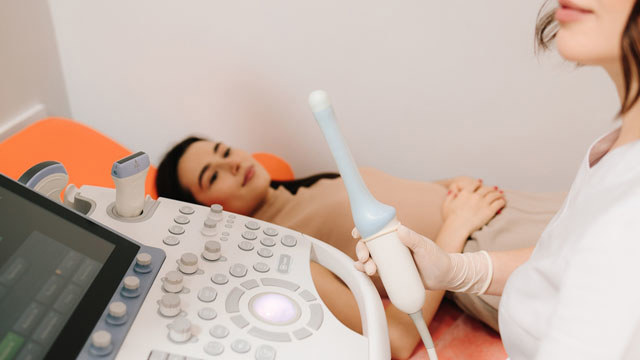
Ovarian cancer is often called a "silent" cancer because it rarely produces clear symptoms until it has spread. There is currently no universally recommended population-level screening test for ovarian cancer.
For women with elevated risk — including those with BRCA gene mutations or a strong family history — a combination of transvaginal ultrasound and the CA-125 blood test may be used for surveillance, though these are monitoring tools rather than definitive diagnostic tests.
Genetic counselling is an important step for women who may carry hereditary risk factors, helping them make informed decisions about monitoring and preventive options.
Colorectal Cancer Screening
Colorectal cancer affects both men and women, but it is often underscreened in women, partly because symptoms can overlap with other common conditions. Screening typically begins at age 45–50 for average-risk individuals.
Options include:
- Colonoscopy: The most comprehensive examination, allowing both detection and removal of precancerous polyps during the same procedure. Recommended every 10 years if results are normal.
- Stool-based tests: Including faecal immunochemical testing (FIT), which detects blood in stool and is generally recommended annually.
Uterine (Endometrial) Cancer
There is no routine screening test for uterine cancer in average-risk women. However, postmenopausal women who experience unexpected vaginal bleeding should seek medical evaluation promptly, as this is a common early symptom. Women at elevated risk — including those with Lynch syndrome — may be advised to undergo periodic endometrial biopsies.
Who Should Prioritise Comprehensive Screening?
While all women benefit from age-appropriate screening, certain groups may need more frequent monitoring or broader assessments:
- Women with a personal or family history of breast, ovarian, cervical, or colorectal cancer
- Carriers of BRCA1, BRCA2, or Lynch syndrome gene mutations
- Women who have had prior abnormal Pap smear results
- Those with conditions associated with higher cancer risk, such as obesity, diabetes, or long-term use of certain hormonal therapies
- Women who have never given birth, which is associated with a modestly elevated risk of certain gynaecological cancers
A structured risk assessment consultation is the starting point for understanding which tests are most appropriate and at what intervals.
What to Expect During a Screening Visit
A comprehensive women's cancer screening visit in a clinical setting typically follows a structured process:
1. Medical history review: The physician documents personal and family cancer history, current symptoms (if any), reproductive history, and lifestyle factors such as smoking and alcohol use.
2. Physical examination: A general examination may include breast palpation and, for gynaecological screening, a pelvic examination.
3. Sample collection: For cervical screening, a speculum is used to access the cervix, and cells are collected using a soft brush or spatula. The procedure takes only a few minutes and may cause mild discomfort.
4. Imaging: Mammography, ultrasound, or other imaging is performed as indicated, with results typically reviewed by a radiologist.
5. Laboratory testing: Blood tests such as CA-125 may be collected and processed, with results usually available within a few days.
6. Results and follow-up: The physician reviews findings and advises on next steps — whether that means routine follow-up at the next recommended interval, further diagnostic testing, or referral to a specialist.
The process is designed to be thorough, not alarming. Most screening results are normal, and an abnormal result does not necessarily mean cancer — it means further evaluation is needed.
Clinical Expertise in Gangnam District

Gangnam District in Seoul is home to a high concentration of medical clinics offering advanced diagnostic and preventive care for international and domestic patients. Physicians such as Dr. Ye-ri Lee and Dr. Jong-sik Jeon bring clinical experience across gynaecology, oncology-adjacent screening, and women's preventive health.
Clinics in this area typically combine modern imaging technology with multilingual patient support, which is particularly relevant for international visitors seeking structured health check-up programmes during their time in Korea.
Patients are encouraged to discuss their medical history and risk factors in advance of their visit, allowing the clinical team to tailor the screening panel appropriately.
Realistic Outcomes and What Screening Cannot Do
It is important to set accurate expectations. Cancer screening:
- Can detect cancer or precancerous changes early, often before symptoms appear
- Can significantly improve treatment options and outcomes when cancer is found
- Cannot guarantee that cancer will always be detected — some cancers develop between screening intervals
- Does not prevent cancer from occurring (with the exception of procedures that remove precancerous lesions, such as colposcopy or colonoscopic polypectomy)
False positives — results that suggest abnormality where none exists — can occur and may lead to additional tests or short-term anxiety. This is a known limitation of screening programmes, and physicians trained in this area can help patients interpret results accurately and calmly.
Conclusion
Women's cancer screening is one of the most evidence-supported actions a person can take for long-term health. The right combination of tests, at the right intervals, depends on age, risk profile, and medical history. Consulting a physician who takes a personalised, informed approach — rather than a one-size-fits-all screening template — provides the clearest path forward.
If you are unsure which tests apply to you, or when your next screening is due, a consultation with a qualified clinician is the appropriate starting point.
More Articles
Continue reading our clinical guides.

When Is Gynecologic Surgery the Right Choice?
When is gynecologic surgery the right choice? Learn about common conditions, treatment options, benefits, and when to consult a specialist today.
Learn More

Menopause & Osteoporosis: How They're Connected and Treated
Learn how menopause and osteoporosis are connected, explore risk factors, prevention strategies, and treatment options to protect your bone health.
Learn More
Women's Cancer Screening: Which Tests Matter and When
Learn which women's cancer screening tests matter, when to get screened, and how early detection can improve outcomes. Schedule your screening today.
Learn More