Personalized Medical Care & Dedicated International Patient Concierge


Unmarried Women's Health · Needs Clinic Confirmation
Dysmenorrhea
Dysmenorrhea, commonly referred to as painful menstruation, is one of the most frequent gynecological complaints among unmarried adolescent and young women.
Schedule a ConsultationWhat is Dysmenorrhea?

Dysmenorrhea, commonly referred to as painful menstruation, is one of the most frequent gynecological complaints among unmarried adolescent and young women. It can range from mild discomfort to severe pain that interferes with daily activities, academic performance, work productivity, and overall quality of life.
At THE YONSEI MIZ WOMEN'S CLINIC, dysmenorrhea is not treated as a simple menstrual symptom but as a potential indicator of underlying gynecological, hormonal, or systemic conditions. The clinic provides a structured, evidence-based approach to diagnosing the cause of menstrual pain and developing personalized treatment strategies aimed at long-term pain relief and reproductive health preservation.
Dysmenorrhea is broadly classified into primary dysmenorrhea (functional menstrual pain without underlying disease) and secondary dysmenorrhea (pain caused by identifiable pelvic or gynecological conditions). Proper differentiation is essential for effective treatment.
Understanding Dysmenorrhea: More Than Just Menstrual Pain
Dysmenorrhea is a condition characterized by painful menstrual cramps occurring before or during menstruation. While it is often considered a normal part of menstruation, clinically significant dysmenorrhea can indicate underlying reproductive or hormonal issues.
In unmarried women, dysmenorrhea is particularly important to evaluate carefully because it may be associated with early-stage gynecological conditions that require timely intervention.
Pain typically occurs due to uterine muscle contractions triggered by prostaglandins, hormone-like substances involved in inflammation and uterine shedding. However, when pain is severe or persistent, additional pathological causes must be considered.
Types of Dysmenorrhea
Primary Dysmenorrhea
Primary dysmenorrhea occurs without any identifiable pelvic disease. It is usually caused by increased prostaglandin production, leading to strong uterine contractions and reduced blood flow.
Common features include:
- Cramping pain in lower abdomen
- Pain starting just before menstruation
- Symptoms lasting 1–3 days
- Associated nausea, fatigue, or headaches
Secondary Dysmenorrhea
Secondary dysmenorrhea is caused by underlying gynecological conditions such as:
- Endometriosis
- Adenomyosis
- Uterine fibroids
- Ovarian cysts
- Pelvic inflammatory disease
This type of pain often worsens over time and may not respond to basic pain medication.
Who Needs Dysmenorrhea Evaluation?
Medical evaluation is recommended for unmarried women who experience:
- Severe menstrual pain interfering with daily life
- Pain not relieved by over-the-counter medication
- Increasing severity of menstrual cramps over time
- Pain starting before menstruation and continuing afterward
- Pain associated with heavy bleeding
- Pain during bowel movements or urination during menstruation
- Chronic pelvic discomfort between periods
- Suspected underlying gynecologic condition
Early evaluation is essential to rule out secondary causes and prevent progression of underlying disease.
Meet the Women’s Health Specialists
 |
 |
|---|---|
| **Dr. Jong-sik Jeon, MD | |
| Representative Director** | |
| Specialist in Obstetrics & Gynecology | **Dr. Ye-ri Lee, MD |
| Vice Director** | |
| Specialist in Obstetrics & Gynecology |
Dysmenorrhea care at THE YONSEI MIZ WOMEN'S CLINIC is provided by experienced OB-GYN specialists with expertise in menstrual disorders, reproductive health, and adolescent gynecology.
Dr. Jong-sik Jeon
Chief Director with over 30 years of clinical experience and more than 30,000 gynecologic procedures. Specializes in reproductive health disorders, menstrual pain evaluation, and gynecologic diagnostics.
Dr. Ye-ri Lee
Vice Director specializing in adolescent gynecology, menstrual pain management, and reproductive health care for young women.
The clinical approach focuses on identifying the root cause of pain rather than simply suppressing symptoms.
Causes of Dysmenorrhea
Hormonal Imbalance
Excess prostaglandin production leads to strong uterine contractions and pain.
Endometriosis
Endometrial tissue grows outside the uterus, causing inflammation and severe pain.
Adenomyosis
Endometrial tissue invades uterine muscle, leading to heavy and painful periods.
Ovarian Cysts
Cysts may cause pelvic discomfort and menstrual irregularities.
Pelvic Inflammation
Infections or inflammation can increase menstrual pain severity.
Uterine Contractions and Blood Flow Restriction
Excessive contraction reduces oxygen supply, increasing pain sensation.
Each case requires careful clinical differentiation for effective treatment.
Dysmenorrhea Treatment Approach

Pain Mechanism Control
Regulating prostaglandin activity to reduce uterine contraction intensity.
Hormonal Regulation Therapy
Balancing estrogen and progesterone to stabilize menstrual cycles.
Anti-Inflammatory Management
Reducing inflammatory response contributing to pain.
Cycle Regulation Support
Stabilizing irregular cycles that may worsen dysmenorrhea.
Structural Condition Management
Addressing underlying gynecological conditions when present.
Lifestyle and Supportive Care
Improving sleep, stress, and physical activity balance.
Diagnostic Process
1. Detailed Consultation
Medical history, pain pattern, and menstrual cycle evaluation.
2. Pelvic Examination and Ultrasound
Assessment of uterus, ovaries, and pelvic structures.
3. Hormonal Testing
Evaluation of reproductive hormone levels when needed.
4. Differential Diagnosis
Distinguishing primary vs secondary dysmenorrhea.
5. Personalized Treatment Planning
Developing targeted pain and cycle management plan.
Clinical Outcomes and Expectations
Dysmenorrhea management aims to:
- Reduce menstrual pain intensity
- Improve daily functioning during menstruation
- Stabilize hormonal fluctuations
- Improve menstrual regularity
- Enhance overall quality of life
Outcomes vary depending on underlying cause and severity.
Importance of Early Treatment
Untreated dysmenorrhea may lead to:
- Chronic pelvic pain
- Delayed diagnosis of endometriosis
- Reduced quality of life
- Emotional stress and fatigue
- Long-term reproductive complications
Early evaluation ensures timely intervention and improved outcomes.
Safety and Medical Approach
All treatments are conducted under OB-GYN supervision using evidence-based protocols.
Key principles include:
- Accurate diagnosis before treatment
- Minimal medication use when possible
- Non-invasive treatment preference
- Long-term reproductive health preservation
- Continuous monitoring of symptoms
Why Choose THE YONSEI MIZ WOMEN'S CLINIC?

THE YONSEI MIZ WOMEN'S CLINIC provides specialized care for menstrual pain and reproductive health disorders.
Key strengths include:
- Expert diagnosis of menstrual pain conditions
- Advanced gynecologic evaluation tools
- Personalized pain management plans
- Adolescent and young women-focused care
- Evidence-based treatment protocols
- Long-term reproductive health monitoring
- Private and supportive clinical environment
- Root-cause focused medical approach
Patient Experiences in Dysmenorrhea Care
Patients receiving treatment often report:
- Significant reduction in menstrual pain
- Improved ability to perform daily activities
- Better understanding of menstrual health
- Reduced anxiety related to periods
- Early detection of underlying gynecologic conditions
Get Relief from Menstrual Pain and Restore Comfort
If you are experiencing severe menstrual pain, early evaluation is essential. THE YONSEI MIZ WOMEN'S CLINIC provides comprehensive dysmenorrhea care designed for unmarried women and adolescents.
Book Your Dysmenorrhea Consultation Today for expert diagnosis, personalized treatment, and long-term menstrual pain relief under experienced OB-GYN specialists.
Other Services
Explore additional treatments offered by our specialists.
Colposcopy
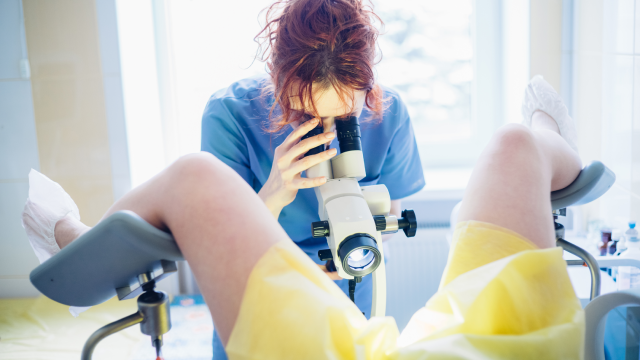
Colposcopy is an advanced diagnostic gynecologic procedure that allows detailed examination of the cervix, vagina, and vulvar tissues using a specialized magnifying instrument known as a colposcope.
Learn More

PCOS — Adolescent Care
Polycystic Ovary Syndrome (PCOS) is one of the most common endocrine disorders affecting adolescent and young women worldwide.
Learn More

Vaginal Dryness & Relaxation Treatment
Vaginal dryness and relaxation concerns are commonly associated with hormonal changes during perimenopause and menopause.
Learn More