Personalized Medical Care & Dedicated International Patient Concierge


Gynecologic Surgery · Needs Clinic Confirmation
Hysteroscopy
Hysteroscopy is a gynecologic procedure used to examine the inside of the uterus with a thin viewing instrument called a hysteroscope.
Schedule a ConsultationWhat Is Hysteroscopy in Gynecologic Surgery?

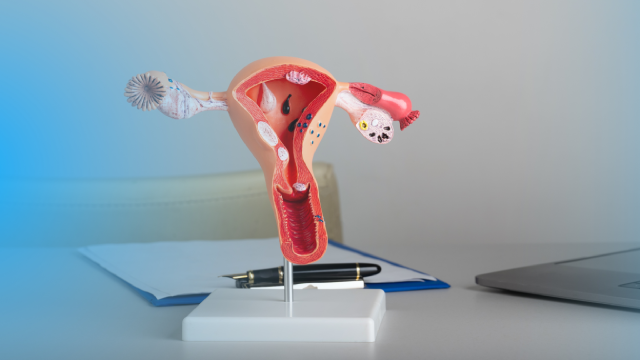
Hysteroscopy is a gynecologic procedure used to examine the inside of the uterus with a thin viewing instrument called a hysteroscope. It allows the doctor to directly see the uterine cavity and endometrium, which can help identify causes of abnormal bleeding, heavy menstrual bleeding, endometrial polyps, and other suspected uterine conditions.
Hysteroscopy may be diagnostic or operative. Diagnostic hysteroscopy helps confirm what may be causing symptoms. Operative hysteroscopy may allow the doctor to treat selected findings, such as endometrial polyps, during the procedure when medically appropriate.
At THE YONSEI MIZ WOMEN'S CLINIC, hysteroscopy is planned after a detailed consultation and examination. The goal is to provide accurate diagnosis, reduce unnecessary uncertainty, and recommend treatment based on each patient’s symptoms, age, medical history, and reproductive goals.
Who May Need Hysteroscopy?
Hysteroscopy may be recommended when symptoms or test results suggest a condition inside the uterine cavity. It is not required for every menstrual concern, but it can be useful when more detailed evaluation is needed.
Hysteroscopy may be considered for women who:
- Have abnormal uterine bleeding between periods.
- Experience heavy menstrual bleeding that affects daily life.
- Have suspected endometrial polyps.
- Need evaluation for endometrial abnormalities.
- Have irregular bleeding during reproductive years.
- Experience bleeding after menopause and need further assessment.
- Need follow-up after ultrasound findings inside the uterus.
- Want specialist evaluation before deciding on gynecologic surgery.
Patients should seek prompt medical care if bleeding is very heavy, accompanied by dizziness, severe pain, fever, or sudden worsening symptoms.
Meet the Hysteroscopy and Gynecologic Surgery Specialists
 |
 |
|---|---|
| **Dr. Jong-sik Jeon, MD | |
| Representative Director** | |
| Specialist in Obstetrics & Gynecology | **Dr. Ye-ri Lee, MD |
| Vice Director** | |
| Specialist in Obstetrics & Gynecology |
THE YONSEI MIZ WOMEN'S CLINIC is led by experienced board-certified obstetrician-gynecologists who provide diagnosis, treatment, and long-term management for women’s reproductive health concerns.
Dr. Jong-sik Jeon
Dr. Jong-sik Jeon is the Chief Director and a board-certified obstetrician-gynecologist. He earned his medical degree from Yonsei University College of Medicine and has more than 30 years of clinical experience in obstetrics and gynecology.
He has performed more than 30,000 gynecologic surgeries and procedures. His previous roles include Director of Gangnam MizMedi Hospital, Medical Director of Gangnam Major Hospital, Clinical Professor at Yonsei University College of Medicine, and Clinical Professor at Yonsei University Gangnam Severance Hospital.
His experience supports careful decision-making for hysteroscopy, endometrial polyp treatment, abnormal uterine bleeding evaluation, and related gynecologic surgery.
Dr. Ye-ri Lee
Dr. Ye-ri Lee is the Vice Director and a board-certified obstetrician-gynecologist. She graduated from Kyung Hee University College of Medicine and completed residency training in Obstetrics and Gynecology at Samsung Seoul Hospital.
She previously served as Director of the Department of Obstetrics and Gynecology at Kwak Women’s Hospital and Adjunct Professor at Samsung Seoul Hospital. Her clinical focus includes gynecologic surgery and women’s reproductive health.
Together, the specialists provide evidence-based, patient-centered care with clear communication and individualized treatment planning.
Hysteroscopy Treatment Areas and Expected Improvements
Abnormal Uterine Bleeding
Abnormal uterine bleeding can include bleeding between periods, prolonged periods, or unpredictable menstrual bleeding. Hysteroscopy may help identify structural causes inside the uterus, such as polyps or endometrial abnormalities.
By allowing direct visualization, hysteroscopy can support more accurate diagnosis than symptoms alone. If a treatable finding is identified, the doctor may recommend removal or further tissue evaluation.
Heavy Menstrual Bleeding
Heavy menstrual bleeding can affect daily life, work, sleep, and overall well-being. When heavy bleeding continues or does not respond to conservative management, hysteroscopy may be used to investigate the uterine cavity.
The procedure may help determine whether polyps, endometrial changes, or other uterine findings are contributing to the symptoms. Treatment recommendations are then tailored to the patient’s diagnosis and goals.
Endometrial Polyps
Endometrial polyps are growths that develop from the lining of the uterus. They may cause irregular bleeding, heavy periods, or bleeding after menopause.
Hysteroscopy can help locate and assess polyps directly. When appropriate, hysteroscopic treatment may allow removal and tissue evaluation to support accurate diagnosis.
Endometrial Abnormalities
Some patients require further evaluation for endometrial thickening or suspected abnormalities seen on ultrasound. Hysteroscopy may provide direct visual assessment and help guide biopsy or treatment.
This is especially important when symptoms include abnormal bleeding, postmenopausal bleeding, or persistent unexplained menstrual changes.
Expected improvements vary by diagnosis. Some patients may experience reduced bleeding or improved symptom control after appropriate treatment, while others may require additional follow-up or management. No result is guaranteed, and all outcomes depend on the underlying condition and individual health factors.
Hysteroscopy Process and Timeline
1. Consultation and Medical History Review
The process begins with a detailed consultation. The OB-GYN specialist reviews bleeding patterns, menstrual history, pregnancy history, medications, previous procedures, ultrasound results, and personal concerns.
2. Examination and Diagnostic Planning
The doctor may recommend pelvic examination, ultrasound, laboratory testing, or other diagnostic steps before hysteroscopy. This helps confirm whether hysteroscopy is necessary and how the procedure should be planned.
3. Hysteroscopy Procedure
During hysteroscopy, a thin viewing instrument is used to examine the inside of the uterus. The doctor evaluates the uterine cavity and endometrium for polyps, abnormal tissue, or other findings.
4. Treatment When Appropriate
If the procedure is operative, selected conditions such as endometrial polyps may be treated during the same session when medically appropriate. The exact treatment depends on findings, safety considerations, and the patient’s care plan.
5. Immediate Aftercare
After hysteroscopy, patients receive instructions about rest, bleeding expectations, discomfort management, medication use if needed, and warning signs. Mild cramping or light bleeding may occur after the procedure.
6. Follow-Up and Results Review
Follow-up may include review of tissue results if sampling or removal was performed. The doctor explains findings and recommends further treatment, monitoring, or ongoing care based on the final diagnosis.
Hysteroscopy Results, Safety, and Recovery
Hysteroscopy can provide clearer information about the uterine cavity and may help treat certain causes of abnormal bleeding, such as endometrial polyps. The benefit depends on the patient’s condition, the findings during the procedure, and whether additional treatment is required.
Recovery varies by procedure type. Some diagnostic hysteroscopy cases may involve minimal downtime, while operative hysteroscopy may require a longer recovery depending on the treatment performed. Patients may experience mild cramping, spotting, or temporary discomfort.
As with any medical procedure, hysteroscopy has potential risks. These may include bleeding, infection, uterine injury, fluid-related complications, anesthesia-related reactions, or the need for additional treatment. Serious complications are uncommon but possible. Patients should contact the clinic promptly if they experience heavy bleeding, severe pain, fever, dizziness, or worsening symptoms.
Why Choose THE YONSEI MIZ WOMEN'S CLINIC for Hysteroscopy?
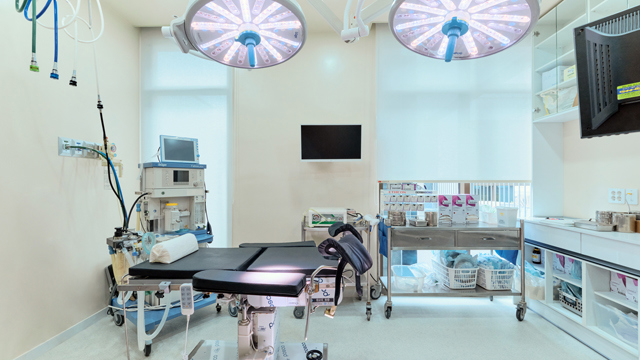
THE YONSEI MIZ WOMEN'S CLINIC is a specialized women’s healthcare center dedicated exclusively to obstetrics and gynecology. The clinic provides care for women at every stage of life, from preventive gynecologic examinations to evaluation and treatment of abnormal uterine conditions.
The clinic’s medical team combines extensive clinical experience, advanced diagnostic technology, and individualized care planning. Dr. Jong-sik Jeon brings over 30 years of clinical experience and more than 30,000 gynecologic surgeries and procedures. Dr. Ye-ri Lee adds expertise in gynecologic surgery and women’s reproductive health, with experience at Samsung Seoul Hospital and Kwak Women’s Hospital.
Patients choose the clinic for:
- Board-certified OB-GYN specialists focused on women’s health.
- Experience in hysteroscopy and gynecologic surgical care.
- Personalized treatment plans based on symptoms and diagnosis.
- Modern diagnostic technology supporting accurate evaluation.
- Minimally invasive gynecologic treatment when appropriate.
- Careful evaluation of abnormal uterine bleeding and endometrial conditions.
- Private, respectful, and compassionate care for sensitive concerns.
- Supportive follow-up before and after treatment.
Every hysteroscopy plan is designed around patient safety, diagnostic accuracy, comfort, privacy, and long-term women’s health.
Realistic Patient Examples for Hysteroscopy
Heavy Menstrual Bleeding Patient, 40s
A patient in her 40s visited the clinic because her periods had become heavier and longer than usual. After consultation and ultrasound evaluation, hysteroscopy was discussed to assess the inside of the uterus more clearly. The patient appreciated receiving a clear explanation of the possible causes, procedure steps, and follow-up plan.
Irregular Bleeding Patient, 30s
A patient in her 30s came to the clinic after experiencing irregular bleeding between periods. The doctor reviewed her history and recommended further uterine cavity evaluation. Hysteroscopy helped guide the next steps in her care plan, with treatment recommendations based on the findings.
Schedule Your Hysteroscopy Consultation
If you have abnormal uterine bleeding, heavy menstrual bleeding, suspected endometrial polyps, or ultrasound findings that require further evaluation, THE YONSEI MIZ WOMEN'S CLINIC provides careful hysteroscopy assessment and individualized treatment planning. Our experienced OB-GYN specialists help patients understand their condition, review appropriate options, and receive supportive care in a private and professional environment.
Book Your Consultation
Contact THE YONSEI MIZ WOMEN'S CLINIC to schedule an appointment with the women’s healthcare team. The appointment desk can assist with consultation scheduling, hysteroscopy guidance, and support for patients seeking evaluation and treatment for uterine cavity conditions.
Other Services
Explore additional treatments offered by our specialists.

Colposcopy
Colposcopy is an advanced diagnostic gynecologic procedure that allows detailed examination of the cervix, vagina, and vulvar tissues using a specialized magnifying instrument known as a colposcope.
Learn More

PCOS — Adolescent Care
Polycystic Ovary Syndrome (PCOS) is one of the most common endocrine disorders affecting adolescent and young women worldwide.
Learn More

Vaginal Dryness & Relaxation Treatment
Vaginal dryness and relaxation concerns are commonly associated with hormonal changes during perimenopause and menopause.
Learn More