Personalized Medical Care & Dedicated International Patient Concierge


Adolescent & Young Women's Care · Needs Clinic Confirmation
Menstrual Cycle Regulation
Menstrual cycle regulation is a core discipline within adolescent and young women’s reproductive medicine that focuses on restoring predictable, healthy, and biologically balanced menstrual cycles.
Schedule a ConsultationWhat is Menstrual Cycle Regulation?

Menstrual cycle regulation is a core discipline within adolescent and young women’s reproductive medicine that focuses on restoring predictable, healthy, and biologically balanced menstrual cycles. A normal menstrual cycle is a reflection of synchronized hormonal activity between the hypothalamus, pituitary gland, ovaries, and uterus. When this finely tuned system is disrupted, it can lead to irregular cycles, absent menstruation, excessive bleeding, painful periods, or complete hormonal imbalance.
At THE YONSEI MIZ WOMEN'S CLINIC, menstrual cycle regulation is not approached as a superficial symptom treatment. Instead, it is managed as a structured endocrine restoration process that evaluates the entire reproductive system, identifies underlying causes, and applies individualized correction strategies.
Menstrual irregularities are not isolated events. They often represent deeper physiological signals involving endocrine dysfunction, metabolic imbalance, chronic stress response, nutritional deficiencies, or reproductive system disorders such as polycystic ovary syndrome (PCOS). Without proper evaluation, these underlying conditions may progress and affect fertility, metabolic health, and long-term hormonal stability.
The clinic’s approach ensures that each patient receives a scientifically grounded diagnosis followed by a tailored treatment plan designed for long-term reproductive health optimization.
Understanding the Physiology of Menstrual Cycle Regulation
The menstrual cycle is regulated through a complex endocrine feedback system known as the hypothalamic-pituitary-ovarian (HPO) axis. This system coordinates hormone release and reproductive organ function in a cyclical and time-sensitive manner.
Key Phases of the Cycle:
1. Follicular Phase:
The hypothalamus signals the pituitary gland to release follicle-stimulating hormone (FSH), which stimulates ovarian follicle development.
2. Ovulation Phase:
A surge in luteinizing hormone (LH) triggers the release of a mature egg from the ovary.
3. Luteal Phase:
Progesterone is produced to prepare the uterine lining for potential implantation.
4. Menstruation Phase:
If pregnancy does not occur, hormone levels drop, and the uterine lining sheds.
Any disruption in this cycle—whether hormonal, structural, or metabolic—can result in menstrual irregularities. External influences such as stress, weight fluctuation, sleep disruption, excessive exercise, or chronic illness can also impact cycle regulation.
Understanding these mechanisms is essential for accurate diagnosis and effective treatment planning.
Who Needs Menstrual Cycle Regulation?
Menstrual cycle regulation is recommended for adolescent and young women experiencing persistent or recurring menstrual irregularities or hormonal symptoms.
This includes individuals who experience:
- Irregular or unpredictable menstrual cycles
- Missed or delayed periods (oligomenorrhea or amenorrhea)
- Excessively frequent menstruation (polymenorrhea)
- Heavy or prolonged menstrual bleeding
- Severe menstrual pain affecting daily functioning
- Hormonal acne, weight changes, or mood instability
- Suspected polycystic ovary syndrome (PCOS)
- Ovulatory dysfunction or fertility concerns
- Stress-related menstrual disruption
- Post-medication cycle irregularity (e.g., after hormonal contraception)
- Early adolescent cycle instability
Early evaluation is particularly important in adolescence, as early hormonal irregularities may influence long-term reproductive health development.
Meet the Women’s Health Specialists
 |
 |
|---|---|
| **Dr. Jong-sik Jeon, MD | |
| Representative Director** | |
| Specialist in Obstetrics & Gynecology | **Dr. Ye-ri Lee, MD |
| Vice Director** | |
| Specialist in Obstetrics & Gynecology |
Menstrual cycle regulation at THE YONSEI MIZ WOMEN'S CLINIC is managed by highly experienced OB-GYN specialists trained in reproductive endocrinology, adolescent gynecology, and hormonal disorder management.
Dr. Jong-sik Jeon
Chief Director with over 30 years of clinical experience and more than 30,000 gynecologic procedures. Specializes in reproductive endocrine disorders, menstrual cycle regulation, and long-term women’s reproductive health optimization.
Dr. Ye-ri Lee
Vice Director specializing in adolescent gynecology, PCOS management, menstrual disorders, and hormonal balance restoration therapies.
The clinical team follows a structured, evidence-based, and patient-centered approach designed to identify root causes and ensure long-term cycle stability.
Causes of Menstrual Irregularities and Clinical Evaluation Focus
Menstrual cycle disturbances may arise from multiple overlapping factors, requiring comprehensive diagnostic evaluation.
Hormonal Imbalance
Imbalance in estrogen, progesterone, LH, or FSH can disrupt ovulation and cycle regularity.
Polycystic Ovary Syndrome (PCOS)
A metabolic and endocrine disorder affecting ovulation and androgen levels, often causing chronic irregular cycles.
Thyroid Dysfunction
Both hypothyroidism and hyperthyroidism can significantly alter menstrual timing and flow.
Stress and Hypothalamic Suppression
Chronic psychological or physical stress may suppress ovulation.
Metabolic and Nutritional Imbalance
Weight fluctuations, insulin resistance, or nutritional deficiencies may disrupt hormonal signaling.
Uterine or Structural Conditions
Endometrial abnormalities or uterine disorders may affect bleeding patterns.
Each patient requires individualized evaluation due to the multifactorial nature of menstrual disorders.
Menstrual Cycle Regulation Treatment Approach
1. Comprehensive Initial Assessment
Detailed evaluation of menstrual history, symptoms, lifestyle, and reproductive health background.
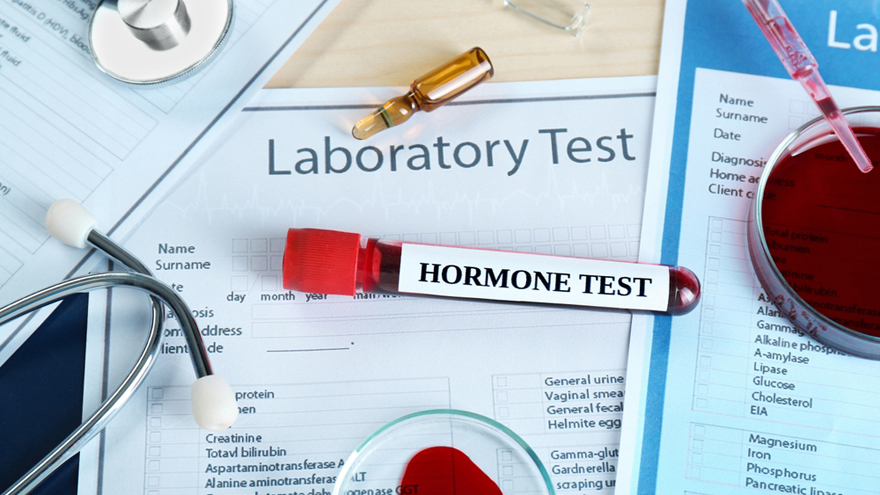
2. Hormonal and Diagnostic Testing
Assessment of reproductive hormones, thyroid function, metabolic markers, and ultrasound imaging when needed.
3. Integrated Clinical Diagnosis
Multi-layer interpretation of endocrine, metabolic, and structural findings.
4. Personalized Treatment Planning
Hormonal therapy, lifestyle modification, nutritional support, or medical intervention depending on diagnosis.
5. Continuous Monitoring and Adjustment
Regular follow-up appointments to track cycle response and adjust treatment strategies.
6. Long-Term Stabilization Program
Maintenance care designed to ensure sustained hormonal balance and predictable cycles.
Clinical Outcomes and Expected Improvements
Menstrual cycle regulation aims to restore physiological balance and predictable reproductive function. While outcomes vary depending on underlying conditions, many patients experience:
- Restoration of regular menstrual cycles
- Improved ovulation consistency
- Reduction in menstrual pain severity
- Decreased abnormal bleeding episodes
- Improved hormonal stability
- Better energy and mood regulation
- Enhanced reproductive health awareness
Chronic conditions such as PCOS may require long-term management for sustained improvement.
Clinical Importance of Early Cycle Regulation
Untreated menstrual irregularities can lead to long-term complications such as infertility, anemia, metabolic disorders, or chronic endocrine imbalance. Early intervention is critical to prevent progression and preserve reproductive health.
At THE YONSEI MIZ WOMEN'S CLINIC, early diagnosis is emphasized to ensure timely correction of hormonal and metabolic dysfunction.
Safety and Medical Approach
All menstrual cycle regulation treatments are performed under OB-GYN supervision using evidence-based clinical protocols.
Key principles include:
- Accurate diagnosis prior to intervention
- Minimal medication use when possible
- Preference for non-invasive treatments
- Continuous hormonal monitoring
- Long-term reproductive health preservation
This ensures safe, precise, and individualized care.
Why Choose THE YONSEI MIZ WOMEN'S CLINIC?

THE YONSEI MIZ WOMEN'S CLINIC is a specialized women’s healthcare center focused exclusively on obstetrics and gynecology with strong expertise in adolescent reproductive health.
Key strengths include:
- Advanced reproductive endocrine evaluation
- Personalized cycle regulation programs
- PCOS and hormonal disorder management expertise
- Adolescent-focused gynecologic care system
- Evidence-based OB-GYN treatment protocols
- Long-term reproductive health monitoring
- Private, supportive clinical environment
- Preventive and restorative women’s health model
The clinic prioritizes restoring natural hormonal function rather than simply suppressing symptoms.
Patient Experiences in Menstrual Cycle Regulation
Patients undergoing cycle regulation often report meaningful improvements in daily life and reproductive health awareness.
- Many experience more predictable and stable menstrual cycles
- Young women report reduced anxiety related to irregular periods
- Some patients discover underlying hormonal or metabolic conditions early
- Others notice improved mood stability and energy levels
- Patients with PCOS often report improved cycle control over time
These experiences reflect the importance of structured, medically guided hormonal regulation.
Restore Your Natural Hormonal Rhythm and Cycle Stability
If you are experiencing irregular, delayed, or unpredictable menstrual cycles, professional evaluation is essential. THE YONSEI MIZ WOMEN'S CLINIC provides advanced menstrual cycle regulation designed for adolescent and young women.
Book Your Menstrual Cycle Regulation Consultation Today for expert diagnosis, individualized hormonal therapy, and long-term reproductive cycle stabilization under experienced OB-GYN specialists.
Other Services
Explore additional treatments offered by our specialists.
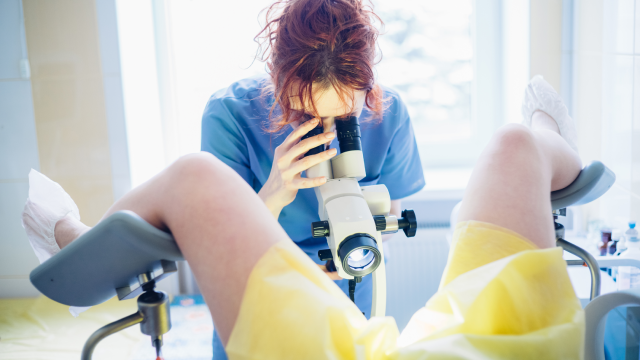
Colposcopy
Colposcopy is an advanced diagnostic gynecologic procedure that allows detailed examination of the cervix, vagina, and vulvar tissues using a specialized magnifying instrument known as a colposcope.
Learn More

PCOS — Adolescent Care
Polycystic Ovary Syndrome (PCOS) is one of the most common endocrine disorders affecting adolescent and young women worldwide.
Learn More

Vaginal Dryness & Relaxation Treatment
Vaginal dryness and relaxation concerns are commonly associated with hormonal changes during perimenopause and menopause.
Learn More