Personalized Medical Care & Dedicated International Patient Concierge

Menopause & Osteoporosis Care · Needs Clinic Confirmation
Osteoporosis Testing & Management
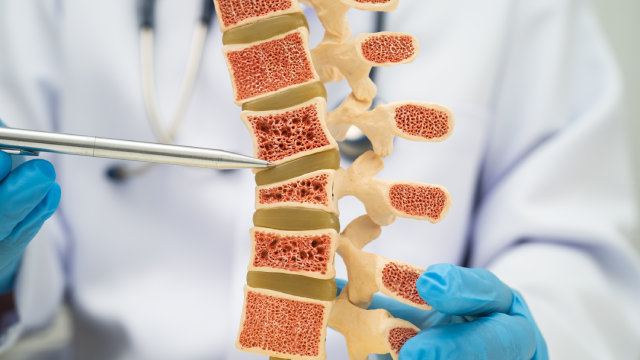
Osteoporosis testing and management focuses on evaluating bone strength and identifying women who may be at risk of reduced bone density, especially during and after menopause.
Schedule a ConsultationWhat Is Osteoporosis Testing & Management?
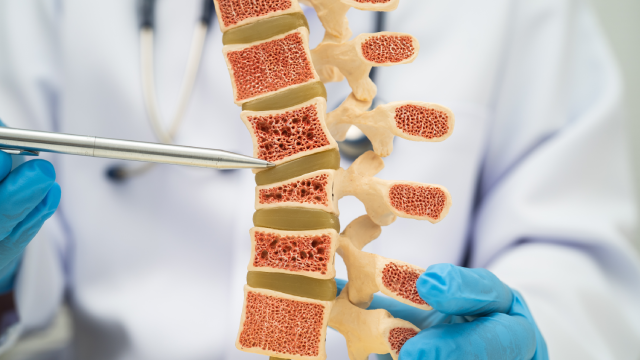
Osteoporosis testing and management focuses on evaluating bone strength and identifying women who may be at risk of reduced bone density, especially during and after menopause. As estrogen levels change with menopause, some women may experience faster bone loss, which can increase the risk of osteoporosis and fractures over time.
Osteoporosis often develops silently. Many women do not notice symptoms until a fracture occurs or bone density is already significantly reduced. For this reason, screening and follow-up are important parts of women’s preventive healthcare.
At THE YONSEI MIZ WOMEN'S CLINIC, osteoporosis care is provided as part of comprehensive menopause and women’s health management. The goal is to assess risk early, explain results clearly, and create an individualized plan that supports long-term bone health.
Who May Need Osteoporosis Testing?
Osteoporosis testing may be recommended for women approaching menopause, women after menopause, or patients with risk factors for reduced bone density. A consultation helps determine when screening is appropriate and how often follow-up may be needed.
Women who may benefit from osteoporosis testing include those who:
- Are in menopause or postmenopause.
- Have concerns about bone loss or fracture risk.
- Have a family history of osteoporosis.
- Have experienced a fracture after minor trauma.
- Have low body weight or nutritional concerns.
- Have long-term menstrual or hormonal changes.
- Want preventive bone health management.
- Need menopause hormone therapy and osteoporosis counseling.
Patients should seek medical care promptly if they experience sudden back pain, loss of height, posture changes, or a fracture after a minor fall.
Meet the Menopause and Osteoporosis Care Specialists
 |
 |
|---|---|
| **Dr. Jong-sik Jeon, MD | |
| Representative Director** | |
| Specialist in Obstetrics & Gynecology | **Dr. Ye-ri Lee, MD |
| Vice Director** | |
| Specialist in Obstetrics & Gynecology |
THE YONSEI MIZ WOMEN'S CLINIC is led by two board-certified obstetrician-gynecologists who provide comprehensive care for women across all life stages, including menopause management and osteoporosis care.
Dr. Jong-sik Jeon
Dr. Jong-sik Jeon is the Chief Director and a board-certified obstetrician-gynecologist. He graduated from Yonsei University College of Medicine and has more than 30 years of clinical experience in obstetrics and gynecology.
He has performed more than 30,000 gynecologic surgeries and procedures. His previous roles include Director of Gangnam MizMedi Hospital, Medical Director of Gangnam Major Hospital, Clinical Professor at Yonsei University College of Medicine, and Clinical Professor at Yonsei University Gangnam Severance Hospital.
His long clinical experience supports comprehensive women’s health management, including menopause-related symptoms, hormonal changes, and bone health concerns.
Dr. Ye-ri Lee
Dr. Ye-ri Lee is the Vice Director and a board-certified obstetrician-gynecologist. She earned her medical degree from Kyung Hee University College of Medicine and completed residency training in Obstetrics and Gynecology at Samsung Seoul Hospital.
She previously served as Director of the Department of Obstetrics and Gynecology at Kwak Women’s Hospital and Adjunct Professor at Samsung Seoul Hospital. Her clinical expertise includes women’s reproductive health, gynecologic care, and long-term women’s wellness.
Together, the specialists provide evidence-based, individualized care for women navigating menopause, osteoporosis risk, and preventive health planning.
Osteoporosis Testing Areas and Expected Benefits
Bone Density Evaluation
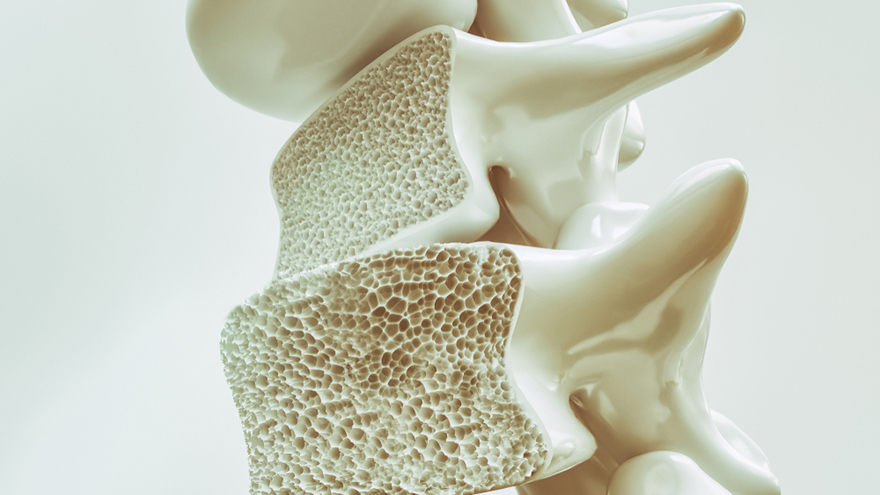
Bone density testing helps assess whether bone strength is normal, reduced, or consistent with osteoporosis risk. This information allows the doctor to recommend monitoring, lifestyle changes, or further management when appropriate.
The result is interpreted with the patient’s age, menopause status, medical history, and fracture risk. Testing is part of a broader health assessment rather than a standalone decision.
Menopause-Related Bone Loss
Menopause can affect bone metabolism because hormonal changes may accelerate bone loss. Women who are entering menopause or already postmenopausal may benefit from bone health evaluation.
The doctor may discuss hormone-related changes, nutrition, exercise, and medical options based on the patient’s individual risk profile.
Fracture Risk Assessment
Osteoporosis management is not only about test results. It also considers fall risk, previous fractures, family history, body weight, medications, and overall health.
A personalized plan helps patients understand how to reduce risk and monitor bone health over time.
Long-Term Women’s Health Management
Bone health is part of lifelong women’s care. Osteoporosis testing may be combined with menopause counseling, hormone therapy discussion when appropriate, and preventive health planning.
Expected benefits include earlier detection of reduced bone density, clearer understanding of fracture risk, and a personalized management plan. Results vary, and ongoing monitoring may be needed.
Osteoporosis Testing and Management Process
1. Menopause and Bone Health Consultation
The visit begins with a discussion of menopause status, symptoms, menstrual history, previous fractures, family history, medications, diet, exercise, and personal health goals.
2. Risk Factor Review
The OB-GYN specialist reviews factors that may increase osteoporosis risk, such as age, menopause-related hormonal changes, low body weight, previous fractures, or long-term medication use.
3. Bone Density Testing Recommendation
If appropriate, the doctor recommends bone density testing or related assessment. The purpose is to evaluate bone strength and guide future management.
4. Result Explanation
The doctor explains what the results mean in practical terms. Patients receive guidance on whether bone density is normal, reduced, or requires closer management.
5. Personalized Management Plan
The care plan may include nutrition guidance, exercise recommendations, fall prevention counseling, follow-up testing, menopause care, or medication discussion when medically appropriate.
6. Long-Term Follow-Up
Osteoporosis care requires monitoring over time. Follow-up helps track bone health, review symptoms, update risk factors, and adjust management if needed.
Osteoporosis Safety, Results, and Long-Term Care
Osteoporosis testing is used to assess bone health and guide prevention or treatment decisions. It does not replace a full medical consultation, because bone density results must be interpreted alongside the patient’s overall health and risk factors.
Management may include lifestyle changes, supplements or medication discussion when appropriate, and regular monitoring. The best approach depends on the patient’s bone density, menopause status, risk profile, and medical history.
Patients should seek medical advice if they experience new back pain, height loss, posture changes, repeated falls, or fractures. Early evaluation helps reduce the risk of long-term complications.
Why Choose THE YONSEI MIZ WOMEN'S CLINIC for Osteoporosis Care?

THE YONSEI MIZ WOMEN'S CLINIC is a specialized women’s healthcare center dedicated exclusively to obstetrics and gynecology. The clinic provides menopause hormone therapy, osteoporosis management, preventive gynecologic care, and long-term women’s health support.
The clinic is led by experienced OB-GYN specialists with strong clinical backgrounds. Dr. Jong-sik Jeon brings over 30 years of clinical experience and more than 30,000 gynecologic surgeries and procedures. Dr. Ye-ri Lee contributes expertise in women’s reproductive health and gynecologic care, supported by her experience at Samsung Seoul Hospital and Kwak Women’s Hospital.
Patients choose the clinic for:
- Board-certified OB-GYN specialists focused on women’s health.
- Personalized menopause and osteoporosis management.
- Bone health evaluation for women before and after menopause.
- Clear explanation of test results and risk factors.
- Evidence-based preventive care.
- Long-term follow-up for women’s wellness.
- Modern clinical environment with privacy and comfort.
- Compassionate, patient-centered care.
Every osteoporosis management plan is designed to support safety, prevention, informed decision-making, and long-term quality of life.
Realistic Patient Examples for Osteoporosis Testing
Postmenopausal Bone Health Patient, 50s
A patient in her 50s visited the clinic after entering menopause and becoming concerned about bone loss. The doctor reviewed her symptoms, family history, and health background before recommending bone health assessment. She appreciated receiving clear guidance on prevention and follow-up.
Fracture Risk Concern Patient, 60s
A patient in her 60s sought evaluation after a minor fall raised concerns about bone strength. The medical team assessed her osteoporosis risk factors and discussed management options based on her results and overall health. She valued the individualized plan and long-term monitoring approach.
Schedule Your Osteoporosis Testing Consultation
If you are approaching menopause, already postmenopausal, concerned about bone loss, or want to understand your osteoporosis risk, THE YONSEI MIZ WOMEN'S CLINIC provides personalized osteoporosis testing and management. Our experienced OB-GYN specialists help patients evaluate bone health, understand results, and create a long-term care plan for women’s wellness.
Book Your Osteoporosis Consultation
Contact THE YONSEI MIZ WOMEN'S CLINIC to schedule an appointment with the women’s healthcare team. The appointment desk can assist with osteoporosis testing guidance, menopause care, and long-term women’s bone health management.
Other Services
Explore additional treatments offered by our specialists.

Colposcopy
Colposcopy is an advanced diagnostic gynecologic procedure that allows detailed examination of the cervix, vagina, and vulvar tissues using a specialized magnifying instrument known as a colposcope.
Learn More

PCOS — Adolescent Care
Polycystic Ovary Syndrome (PCOS) is one of the most common endocrine disorders affecting adolescent and young women worldwide.
Learn More

Vaginal Dryness & Relaxation Treatment
Vaginal dryness and relaxation concerns are commonly associated with hormonal changes during perimenopause and menopause.
Learn More